

Rhinoflux and Swing Launch Sewage Sludge-to-Power and CO2 Capture PoC Trial in Japan
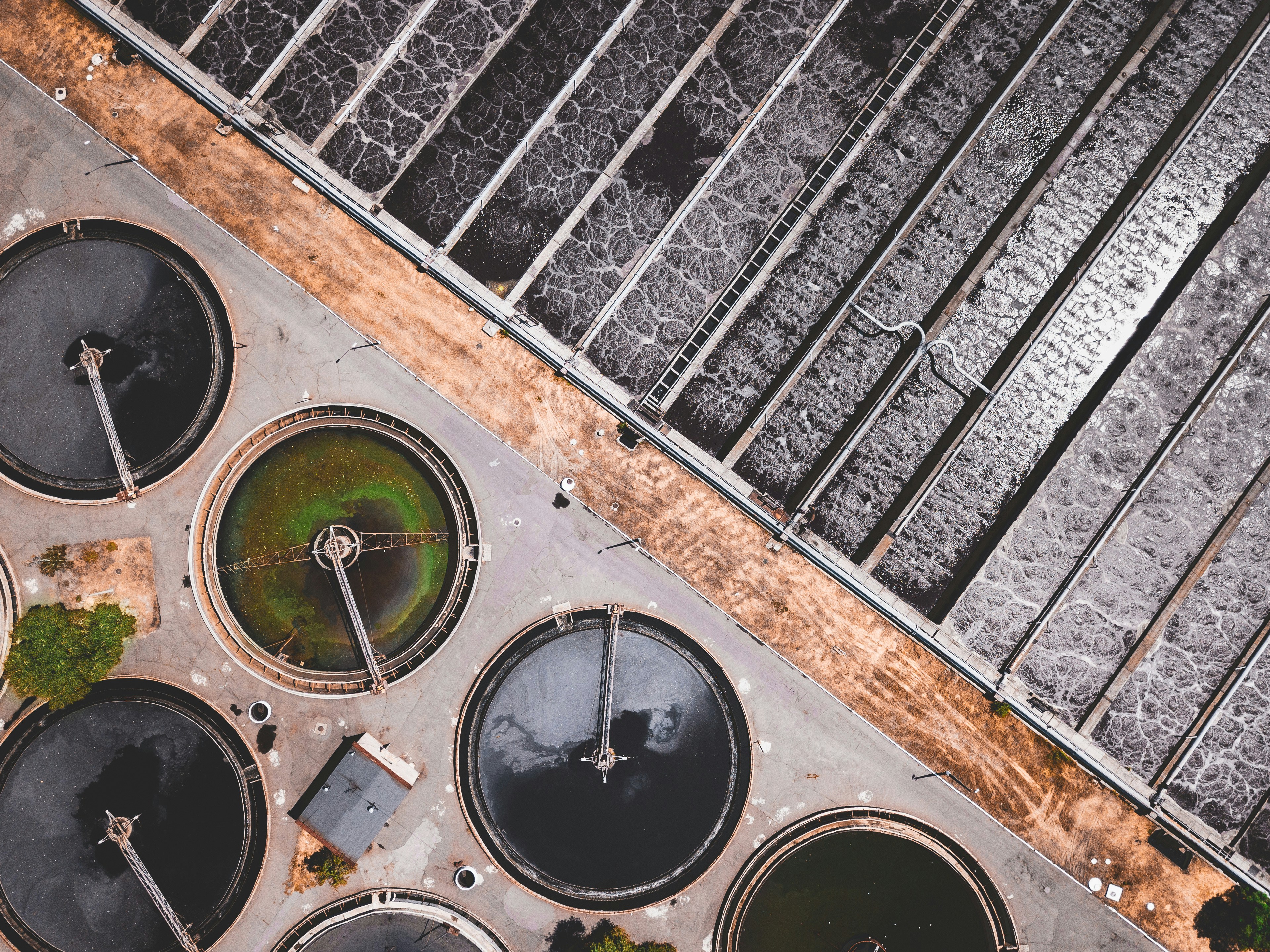
Sewage treatment facility

Kyoto University-born deep tech startup
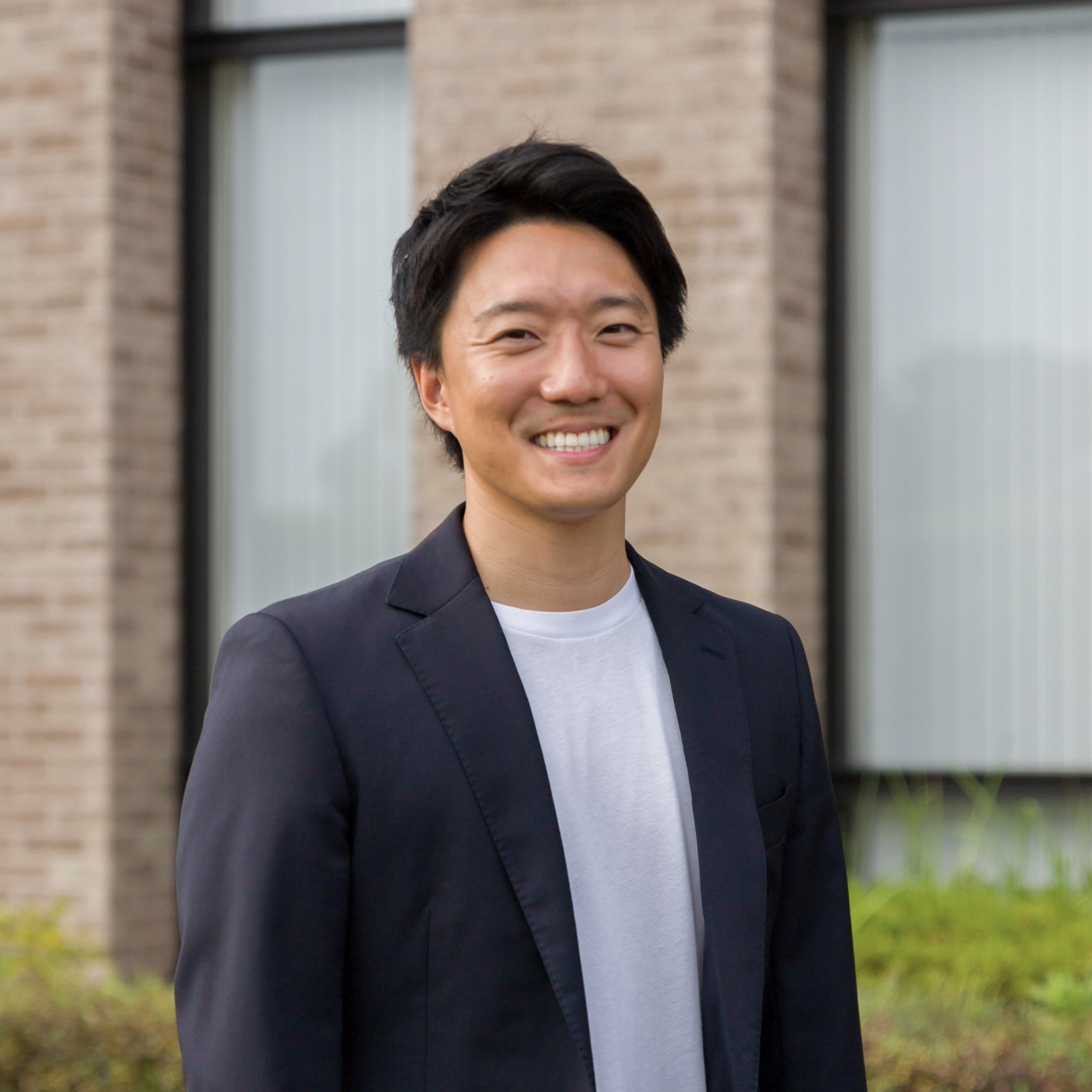
Alex Mazawa, Co-founder and CEO of Rhinoflux Inc.
The PoC will test Hydro Chemical Looping as a new pathway to convert sewage sludge into power and 99.9%+ pure CO2 without combustion
Sewage sludge should no longer be seen as waste, but as a domestic energy and carbon resource. Hydro Chemical Looping can help unlock that value without combustion”
KYOTO, JAPAN, August 25, 2026 /EINPresswire.com/ -- Rhinoflux Inc., a Kyoto University spinout developing Hydro Chemical Looping (HCL) technology for distributed biomass power generation and CO2 capture, has launched a proof-of-concept trial with Swing Corporation, a leading Japanese water treatment company. The trial will test power generation and high-purity CO2 capture from sewage sludge produced at sewage treatment facilities in Japan.— Alex Mazawa, CEO of Rhinoflux Inc.
▶Transition from Feasibility Study to PoC Trial
The PoC trial follows a feasibility study conducted by Rhinoflux and Swing Corporation, which indicated the potential applicability and business viability of HCL technology for sewage sludge. The demonstration began in July 2026 and represents the next phase toward practical deployment in sewage treatment infrastructure.
▶Japan’s Sewage Sludge Challenge
Japan’s sewage treatment facilities face a growing challenge: how to reduce, recycle, and ultimately dispose of the sludge generated through treatment processes in a more sustainable way. The country is estimated to produce approximately 2.34 million dry solids tons of sewage sludge each year. As municipalities and water utilities seek to build more sustainable water infrastructure, technologies that can reduce sludge treatment costs and environmental impacts while recovering energy and cutting greenhouse gas emissions are increasingly needed.
Today, sewage sludge in Japan is mainly managed through landfilling, incineration, conversion into solid fuel, biogas utilization via anaerobic digestion, and use in construction materials such as cement. While these methods play an important role in existing sludge management, they also face challenges, including environmental impacts and high treatment costs. Power generation from solid fuels or methane gas also relies on combustion, leaving room for more efficient and lower-emission alternatives.
▶A Non-Combustion Approach to Biomass Power Generation
Rhinoflux’s HCL technology offers a different approach. Instead of burning biomass, it generates electricity through chemical reactions in an aqueous solution, enabling high-efficiency energy conversion while simultaneously separating and capturing high-purity CO2. The technology has the potential to deliver approximately two to four times higher power generation efficiency than conventional biomass power generation systems, allowing more electricity to be produced from the same amount of biomass. Its aqueous reaction process also makes it well suited to high-moisture biomass, including sewage sludge, which has historically been difficult to utilize economically.
▶Demonstrating the Technology with Swing
The trial will combine Swing’s water and sludge treatment expertise with Rhinoflux’s HCL technology. The two companies will collect practical data for future deployment and assess the requirements for sewage sludge resource utilization in sewage treatment facilities.
▶Creating Value for the Sewage Treatment Sector
The technology is expected to deliver value in three areas:
First, it may help reduce the burden of sludge treatment. By reducing the volume of sewage sludge, the technology could lower the burden of treatment, transportation, and final disposal.
Second, it could expand on-site energy generation options. Sewage sludge is a continuously available local biomass resource. Converting it into electricity more efficiently could help sewage treatment facilities improve energy resilience and reduce operating costs.
Third, it could support carbon capture and utilization. The process can capture CO2 with a purity of over 99.9% while generating power. This biomass-derived CO2 could potentially be monetized through carbon dioxide removal credits or used as liquefied carbon dioxide, creating new revenue opportunities and funding sources for decarbonization in the sewage sector.
▶About Rhinoflux Inc.
Rhinoflux Inc. is a Kyoto University spinout developing next-generation biomass power generation and CO2 capture technology based on Hydro Chemical Looping. The company aims to commercialize distributed power generation and CO2 capture solutions for diverse biomass resources that have traditionally been difficult to utilize, including food residues, woody biomass, and sewage sludge.
Website: https://rhinoflux.com/en
▶About Swing Corporation
Swing Corporation is a leading Japanese water treatment company providing engineering, construction, operation and maintenance services for water and sewage treatment facilities, industrial wastewater treatment plants, and other environmental infrastructure. The company supports sustainable water infrastructure through its engineering capabilities and operational expertise across the water treatment lifecycle.
Website: https://www.swing-w.com/eng
Rhinoflux Inc.
Business Unit
info@rhinoflux.com
Visit us on social media:
LinkedIn
Legal Disclaimer:
EIN Presswire provides this news content "as is" without warranty of any kind. We do not accept any responsibility or liability for the accuracy, content, images, videos, licenses, completeness, legality, or reliability of the information contained in this article. If you have any complaints or copyright issues related to this article, kindly contact the author above.
